Cat Svg Design: A Crafter’s Stitch Test Review
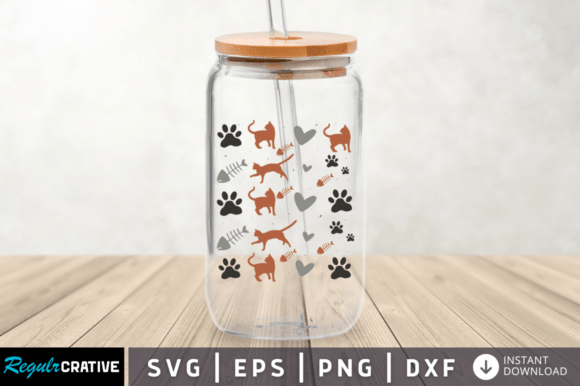
As a professional embroidery designer and product reviewer, I approach every new digital asset with a healthy dose of skepticism. When evaluating a Cat Svg Design for potential use in client work or shop inventory, my first question is never about how cute it looks on a screen. Instead, I ask how it will behave under the needle. Digital graphics in the Crafts category often translate beautifully to vinyl or sublimation, but they present unique challenges when converted into a machine embroidery design. After spending time analyzing this specific Cat Svg Design, intended originally for the Cat Mom Libbey Glass SVG Bundle, I have gathered practical insights on its viability for stitched projects.
First Impressions and Visual Personality
Upon opening the file, the design immediately communicates a playful, affectionate mood that resonates with pet lovers. The lines are clean and the silhouette is distinct, which is a promising start for any embroidery project. Unlike overly complex illustrations that turn into thread mush when scaled down, this graphic maintains its visual personality through bold shapes. For an Etsy seller or small shop owner, this clarity is vital. Customers browsing thumbnail images need to instantly recognize the subject matter. This design succeeds in that regard, offering a charming aesthetic that feels suitable for both personalized gifts and commercial merchandise.
However, because this asset originates as a vector graphic for glassware, it lacks inherent stitch data. This means the transition from SVG to embroidery file requires careful digitizing. The open spaces and flowing lines suggest it could work beautifully as an applique design or a combination of satin stitch outlines with minimal fill stitch areas. Keeping the stitch density low will be key to maintaining the fabric's drape, especially if you plan to use this on lightweight apparel or baby embroidery items.
Real-World Application: The Custom Tote Bag Test
To truly judge this Cat Svg Design, I mentally walked through a recent commission: a custom embroidered tote bag for a local animal shelter fundraiser. Tote bags are a staple handmade product, but canvas texture can swallow fine details. In this scenario, the design’s bold geometry is an asset. I envision hooping a 10oz cotton canvas with a medium-weight cutaway stabilizer to prevent puckering.
For this specific project, I would avoid converting the entire graphic into dense fill stitch. Instead, I would utilize a running stitch for internal details and a satin stitch for the outer perimeter. This approach preserves the "Libbey Glass" aesthetic mentioned in the product description while ensuring the finished product remains soft and flexible. If the design includes text elements common in Cat Mom bundles, I would verify that the lettering is large enough to remain legible after stitching. Tiny serifs or thin script fonts often get lost in the fabric texture of a tote bag. By adapting the digital art into a stitch-conscious format, the resulting bag becomes a high-value boutique product rather than a stiff, thread-heavy craft fair reject.
Navigating Fabric Variables and Hoop Limitations
Versatility is the main selling point of this Cat Svg Design, but real-world application requires caution regarding fabric choice. While the description highlights t-shirts and mugs, embroidery behaves differently on each substrate.
- Stretchy Knits and Sweatshirts: This is where stitch density matters most. If you are creating sweatshirt embroidery using this cat motif, you must use adequate stabilizer. A heavy design on a light knit will cause tunneling. I recommend testing a simplified version of the design first to ensure the garment doesn't become bulletproof in the center.
- Textured Fabrics: For tea towels or linen pillow covers, the fabric weave competes with the thread. High-contrast thread colors are essential here. A white cat design on cream linen will disappear; a navy or charcoal outline will pop. Always run a black and white mockup test to check value contrast before committing expensive thread colors.
- Curved Surfaces: Using this design on caps or curved mugs requires significant modification. Flat graphics do not wrap naturally around cylindrical surfaces without distortion. You may need to arc the text or simplify the cat’s proportions to fit a cap hoop without gaps or overlaps.
- Dark Fabrics: Embroidering light-colored cats on dark shirts increases stitch count significantly due to underlay requirements. Be mindful of this if you are selling custom apparel at a fixed price point, as production time will increase.
Commercial Viability for Makers and Sellers
For creative entrepreneurs and digital product sellers, understanding the commercial potential of this asset is crucial. The "Cat Mom" niche is evergreen, but saturation is high. To make your finished product stand out, focus on execution quality over novelty. A cleanly stitched, well-stabilized design builds customer trust far faster than a trendy but poorly executed graphic.
If you plan to sell this as part of a digital embroidery file collection, transparency is non-negotiable. Clearly state the tested hoop size, recommended stabilizer types, and fabric compatibility in your listing. Buyers appreciate knowing whether a design has been tested on stretchy fabric or if it is best suited for stable woven materials. Furthermore, always verify the licensing terms of the original Cat Svg Design before incorporating it into commercial embroidery projects or reselling digitized versions. Intellectual property respect protects your business reputation and ensures sustainable growth in the handmade community.
Essential Pre-Stitch Checklist for Professionals
Before loading this design into your machine for a final product, run through this professional checklist to avoid costly mistakes:
- Test on Scrap Fabric: Never stitch a new conversion directly onto a sellable item. Use a scrap piece of the exact same material and stabilizer combination you intend to use for the final project.
- Audit Small Details: Zoom in to 400% in your embroidery software. Are there tiny gaps between objects? Is the text taller than 4mm? Anything smaller risks becoming illegible or causing thread breaks.
- Check Thread Color Contrast: View your digital mockup in grayscale. If the design elements blend together without color, they will likely blend together in thread, regardless of hue.
- Verify Licensing: Confirm that the Cat Svg Design license permits commercial use for physical embroidered goods versus digital resale. These rights are often separate.
- Evaluate Washability: If the item is a baby bib or kitchen towel, consider how the stitch type holds up to frequent laundering. Satin stitches can snag; fill stitches can pill. Adjust your digitizing strategy based on the item's lifecycle.
Final Thoughts on Design Adaptation
The Cat Svg Design offers a wonderful foundation for a variety of crafts, from holiday embroidery ornaments to everyday custom apparel. Its strength lies in its recognizable silhouette and emotional connection to pet owners. However, its success as an embroidery asset depends entirely on the maker's willingness to adapt a flat graphic into a dimensional textile reality. By respecting fabric limitations, managing stitch density, and prioritizing clarity over complexity, you can transform this digital file into a professional-grade embroidered patch, sweatshirt, or gift that delights customers. Remember, in the world of machine embroidery, the best design is not just the one that looks good on a monitor, but the one that survives the wash cycle and brings joy to the end user.