In My Baseball Mom Era Retro SVG Review
As a designer who spends more time behind an embroidery machine than a computer screen, I approach every new digital asset with a healthy dose of skepticism. When I first opened the In My Baseball Mom Era Retro SVG, I wasn't just looking for a cute graphic; I was evaluating its structural integrity for stitch-out. The retro wavy aesthetic is undeniably trendy right now, tapping into that nostalgic, varsity-inspired vibe that dominates current Crafts and apparel markets. However, translating a vector-based Graphics file into a tangible, high-quality embroidered product requires more than just hitting "start." This review breaks down how this specific design performs when moved from screen to fabric, based on real-world application for custom apparel and small business merchandise.
First Impressions: Visual Mood and Structural Potential
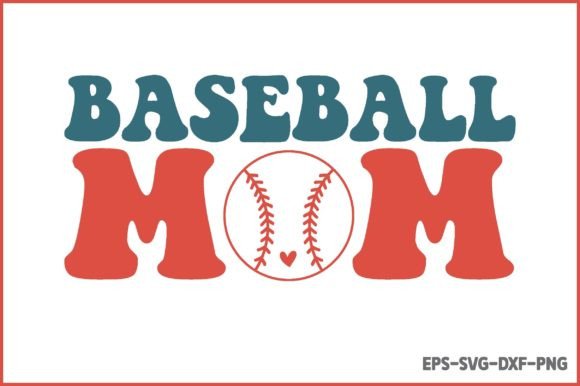
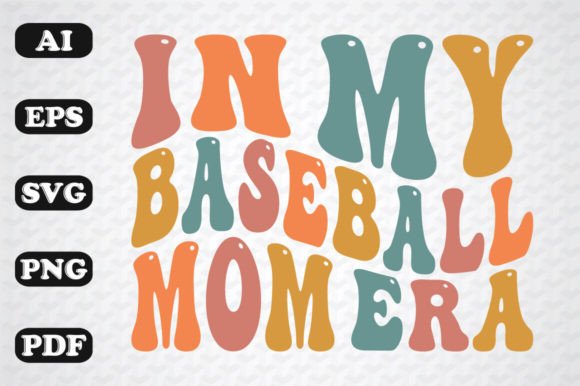
The immediate appeal of the In My Baseball Mom Era Retro SVG lies in its typography. The wavy, retro lettering suggests movement and energy, which is perfect for the baseball mom demographic. Visually, it feels like a design meant for sweatshirts and hoodies rather than delicate linens. From a digitizing perspective, this bold, blocky style is generally forgiving, but the curves present a specific challenge. In vector format, lines are infinite; in embroidery, they are physical thread paths. The layout feels balanced, suggesting it would work beautifully as a center chest design or a full-back statement piece. It carries a distinct personality that avoids looking generic, which is crucial for Etsy sellers and boutique owners trying to stand out in a saturated market.
Real-World Test: Stitching Out a Custom Sweatshirt
To truly evaluate this design, I simulated a production run for a client requesting matching crewneck sweatshirts for a little league team’s mothers. The goal was a vintage, worn-in look using the In My Baseball Mom Era Retro SVG as the foundation. Because the provided files include AI 10 versions, I had excellent flexibility to adjust the artwork before digitizing specifically for embroidery. I opted to convert the main text elements into a combination of satin stitch borders and fill stitch interiors to maintain that crisp, retro definition without creating a bulletproof patch of thread.
The result on a mid-weight cotton fleece was promising. The wavy text held its shape well, though I had to manually adjust the pull compensation in my digitizing software to account for the fabric's loft. Fleece tends to swallow stitches, so increasing the density slightly on the outer edges ensured the letters didn't disappear into the nap. For fellow makers and apparel decorators, this highlights a critical point: while the SVG provides the perfect roadmap, your final machine embroidery design must be tuned to your specific substrate. The design’s bold nature made it highly visible even from a distance, confirming its viability for sideline wear where recognition matters.
Navigating Fabric Choices and Stabilizer Strategy
While this design shines on stable knits and fleece, caution is required for other applications. If you are planning to use the In My Baseball Mom Era Retro SVG for lightweight summer tees or tank tops, you must address stabilization aggressively. The density required to make those retro waves pop can cause puckering on thin jersey fabrics. I recommend using a medium-weight cutaway stabilizer rather than tear-away to prevent distortion over time. For stretchy performance fabrics often used in athletic wear, consider adding a layer of fusible poly-mesh to anchor the stitches before hooping.
Conversely, if you are adapting this for a tote bag design or canvas apron, the design’s weight is actually an asset. Heavier canvases can support denser stitch counts without warping. However, be mindful of textured fabrics like terry cloth or waffle weave. The intricate curves of the retro font can get lost in the pile. In these cases, using a water-soluble topping is non-negotiable to keep the satin stitch details clean and legible. Always test on scrap fabric first; what looks perfect in a printable mockup can behave differently once needle meets fabric.
Commercial Viability for Small Business Owners
For Etsy sellers and creative entrepreneurs, the In My Baseball Mom Era Retro SVG offers strong commercial potential, provided you execute it professionally. Customers associate this aesthetic with quality and trend-awareness. When listing finished products, emphasize the customization aspect. Since the source file allows for editing, you can easily swap "Baseball" for "Softball," "Football," or add a specific team name, making each personalized gift unique. This versatility transforms a single design asset into an entire collection of small shop products.
However, professionalism extends beyond the design itself. Ensure your stitch density is optimized for comfort. A beautiful design that feels stiff and scratchy against the skin will result in negative reviews. For commercial embroidery projects, run-time efficiency also matters. While we want quality, excessively dense fills in large retro letters can slow down production. Finding the sweet spot between coverage and speed is key to maintaining profit margins. Additionally, always verify your licensing terms before selling. Confirm whether you have rights to sell physical embroidered items, digital files, or both, as this protects your business and respects the original artist.
Critical Designer Notes for Best Results
Before you commit this design to a final product, consider these practical checkpoints derived from hands-on testing:
- Verify Hoop Size Compatibility: The wavy layout may require a wider hoop than standard 4x4 frames. Measure the actual stitch area after digitizing to ensure it fits your machine’s capabilities without re-hooping.
- Thread Color Contrast: Retro designs rely heavily on color blocking. Test your thread colors against both light and dark fabric backgrounds. A cream thread on a white sweatshirt looks elegant but may lack the contrast needed for photos; a darker outline might be necessary for definition.
- Check Small Details: If resizing the In My Baseball Mom Era Retro SVG down for baby embroidery or sleeve cuffs, inspect the inner corners of the wavy letters. Sharp angles can cause thread buildup or needle breaks at smaller scales. Simplifying the geometry for tiny sizes is often necessary.
- Mockup vs. Reality: Use black and white mockups to check value contrast before stitching. If the design reads clearly in grayscale, it will likely translate well to thread. If it looks muddy, adjust your fill patterns or color choices.
- Wash Testing: For items like kitchen towels or baby clothes that face frequent laundering, ensure your running stitch underlay is sufficient to prevent shifting. A secure foundation prevents the design from distorting after the third wash cycle.
Elevating the Handmade Product Value
Ultimately, the In My Baseball Mom Era Retro SVG is more than just a seasonal graphic; it is a vehicle for connection. When executed with attention to technical detail, it elevates a simple garment into a cherished handmade product. The difference between a hobbyist attempt and a professional finish often lies in these unseen adjustments: proper stabilizer selection, tension tuning, and respect for the fabric's characteristics. Whether you are creating a holiday gift for a coach, stocking your online store with custom apparel, or designing embroidered patches for a local league, this design provides a solid stylistic foundation. Just remember that the SVG is the blueprint, but your expertise as a maker is what builds the house. Treat the digitizing process with the same care as the stitching, and your finished projects will reflect the quality your customers expect and deserve.