Oh Mom I Love: An Embroidery Design Review
As a professional designer who regularly evaluates digital assets for commercial and personal use, I approach every new file with a critical eye. When I first opened the Oh Mom I Love graphics package, my immediate focus was not just on the aesthetic appeal, but on its structural integrity for translation into thread. While this product is marketed primarily as an SVG cutting file for machines like Cricut and Silhouette, experienced makers know that versatile vector graphics often serve as excellent foundations for custom embroidery digitizing. For Etsy sellers, apparel decorators, and craft business owners, understanding how this specific design transitions from screen to stitch is vital for creating high-quality merchandise.
First Impressions and Emotional Resonance
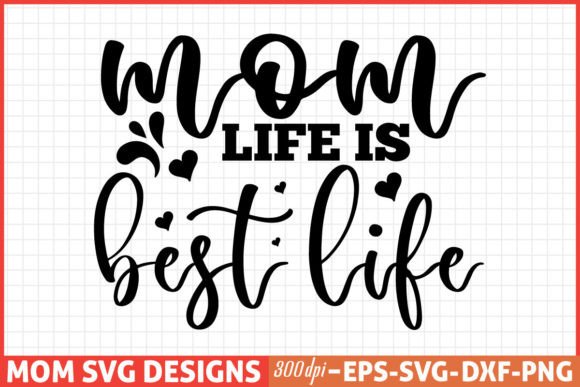
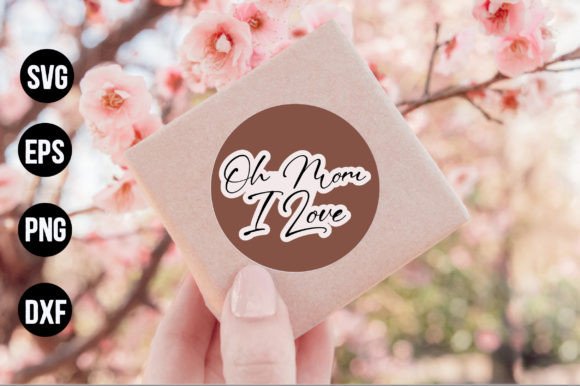
The visual personality of Oh Mom I Love strikes a balance between playful sentimentality and clean readability. In the realm of Crafts and Graphics, typography-driven designs can sometimes feel sterile, but this layout carries a warmth that suggests it was intended for connection rather than mere decoration. The shape and flow of the lettering imply a casual, hand-lettered origin, which translates beautifully to embroidery because it mimics the organic nature of thread.
From a design judgment perspective, the mood is distinctly gift-oriented. It does not scream "mass-produced retail"; instead, it whispers "personalized treasure." This distinction matters immensely for small shop products and boutique branding. When a customer sees this design on a finished product, they should immediately associate it with thoughtfulness. The layout appears balanced enough to serve as a standalone centerpiece on a tote bag or sweatshirt, yet simple enough to pair with other decorative elements without looking cluttered. For those selling handmade products, this emotional hook is often what converts a browser into a buyer.
Real-World Application: The Custom Sweatshirt Test
To truly evaluate this asset, I mentally placed it in a real-life production scenario: preparing a custom embroidered sweatshirt for a Mother’s Day capsule collection. Sweatshirt embroidery presents unique challenges due to the fabric's stretch and texture. In this context, Oh Mom I Love shows significant promise, provided the digitizer makes smart choices.
If I were digitizing this for a fleece crewneck, I would avoid converting the entire graphic into a dense satin stitch. On stretchy knit fabrics, heavy satin columns can cause puckering and distortion. Instead, I envision this design performing best as a combination of fill stitches for larger letter areas and running stitches for finer details. This approach maintains the garment's drape and ensures the embroidery feels integrated rather than like a stiff patch glued to the chest. For a tote bag design, however, the strategy shifts. Canvas can handle higher stitch density, allowing for bolder satin outlines that give the text a raised, premium tactile feel. This versatility makes the source graphic valuable for creators who offer multiple product types.
Navigating Fabric Limitations and Hoop Sizes
While the graphic itself is adaptable, physical execution requires caution. Not every surface is friendly to this specific style of lettering. Based on the visual weight of Oh Mom I Love, here is where I advise proceeding carefully:
- Textured Fabrics: If you are stitching on terry cloth towels or chunky knits, the finer details of this design may get lost. You will need to increase the underlay and potentially thicken the column widths to prevent the stitches from sinking into the pile.
- Small Hoop Sizes: Scaling down typography is always risky. Before committing to a 4x4 hoop size, verify that the interior spaces of the letters remain open after resizing. If the letters merge, the design loses its legibility and professional polish.
- Curved Surfaces: Placing this on a cap or curved pillow cover requires distortion compensation. Because the phrase is linear, wrapping it around a cylindrical surface without adjustment will make the ends appear droopy. A slight arc correction during digitizing is essential for caps.
- Dark vs. Light Fabrics: Always test thread colors against your specific fabric. White thread on cream fabric lacks the contrast necessary for this design to pop. Conversely, dark thread on black fabric requires careful lighting in your product photography to be visible in listings.
Commercial Viability for Makers and Sellers
For Etsy sellers and creative entrepreneurs, time is money. A digital embroidery file that requires extensive editing eats into profit margins. Oh Mom I Love appears to have clean nodes and logical spacing, which usually indicates a smoother digitizing process. However, because this is sold as a cutting file, you must confirm licensing before selling finished items. Never assume commercial rights; always check the creator’s terms regarding embroidery use specifically.
In terms of marketability, this design fits squarely into the evergreen "family and gifting" niche. It is suitable for baby embroidery on bibs or blankets, holiday embroidery for seasonal gifts, and everyday custom apparel. Its broad appeal reduces the risk of dead stock. For digital product sellers, this graphic also serves as an excellent base for printable mockups. Showing potential clients how the design looks in both vinyl and thread formats can increase perceived value and demonstrate your shop's versatility.
Essential Designer Notes for Success
Before loading this design into your machine for a client project or shop inventory, run through this practical checklist. These steps separate hobbyist results from professional-grade output:
- Verify File Compatibility: Since the description highlights SVG compatibility for cutters, ensure you have the correct embroidery format (PES, DST, JEF, etc.) or the raw vector file needed for your digitizing software. Do not attempt to auto-digitize an SVG without manual cleanup.
- Stabilizer Selection is Non-Negotiable: For lightweight fabrics, use a tear-away or wash-away stabilizer to prevent bulk. For stretchy apparel, a fusible no-show mesh is often required to anchor the stitches and prevent tunneling.
- Contrast Testing: Create a black-and-white mockup of the design before stitching. If the design relies solely on color variation rather than value contrast, it will fail in embroidery. Adjust thread colors to ensure high visibility.
- Stitch Density Check: Inspect the design in your software. Ensure there is adequate overlap between stitch sections to prevent gaps, but avoid excessive density that could needle-pierce delicate fabrics.
- Test Stitch-Out: Always sew out a sample on scrap fabric identical to your final project. Measure the actual size post-stitching, as pull compensation can alter dimensions by millimeters.
- Licensing Confirmation: Re-read the license terms. Confirm whether you can sell the physical embroidered item, the digital file, or both. Protect your business by respecting intellectual property.
Elevating the Finished Product
Ultimately, Oh Mom I Love is more than just a collection of vectors; it is a potential revenue stream and a vehicle for sentimental expression. When executed correctly, it enhances brand consistency and builds customer trust through quality craftsmanship. Whether you are creating a personalized gift for a loved one or stocking your online shop with new arrivals, treating this graphic with technical respect ensures the final result honors the sentiment behind the words.
Remember that in the world of machine embroidery, the digital file is only the blueprint. Your choice of stabilizer, thread tension, fabric pairing, and attention to detail determines whether the project succeeds. By applying these professional insights to Oh Mom I Love, you move beyond basic crafting and step into intentional, profitable design. Take the time to test, adjust, and refine, and your finished products will reflect the care that mothers—and customers—truly appreciate.