This is Halloween Boo Sheet: An Embroidery Review
First Impressions: Visual Personality and Stitch Potential
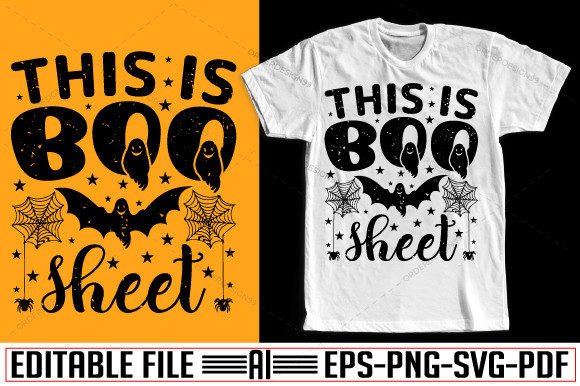
When evaluating a new machine embroidery design for my studio, I look past the digital preview and immediately imagine how the vector lines will translate into physical thread. The This is Halloween Boo Sheet presents itself as a versatile graphic asset, but its true value lies in its adaptability for seasonal production. As a designer who frequently creates custom apparel and holiday merchandise, my first impression of this sheet is that it offers a playful yet structured aesthetic. The typography and ghostly motifs appear balanced, suggesting they were created with clean lines that should digitize well without excessive jump stitches or unnecessary trims.
For those of us in the Crafts industry, specifically dealing with Graphics intended for textile application, the "print ready" nature of this file is a significant starting point. However, print-ready vectors differ from stitch-ready files. Visually, the design carries a nostalgic, classic Halloween mood that avoids being overly gruesome, making it suitable for a wider demographic ranging from toddler wear to adult boutique items. The layout feels intentional, allowing for easy isolation of individual elements if you need to create smaller accents or combine them for a larger centerpiece on a sweatshirt or tote bag.
Real-World Application: Stitching a Custom Sweatshirt
To truly judge the viability of the This is Halloween Boo Sheet, I mentally walked through a recent client project involving a batch of unisex crewneck sweatshirts for a local fall festival. When applying this type of graphic to heavy cotton fleece, the primary concern is always registration and fabric push-pull. Because this design features distinct lettering alongside illustrative elements, it requires careful consideration of stitch density. On a textured surface like fleece, fine details can get lost. I found that treating the text elements as satin stitch columns while utilizing fill stitch for the ghost bodies provided the best contrast and coverage.
In this real-life scenario, the design served as an excellent centerpiece for sweatshirt embroidery. The visual weight was sufficient to stand out against heather grey fabric without requiring an overwhelming amount of stabilizer that would make the garment stiff. For an Etsy seller or small shop owner, this balance is crucial. Customers want a design that looks professional and durable, not one that feels like a bulletproof vest patch. The This is Halloween Boo Sheet lends itself beautifully to this application because the shapes are bold enough to read clearly from a distance, which is essential for craft fair sales where visual impact drives foot traffic.
Navigating Fabric Challenges and Hoop Limitations
While the design shines on stable knits, caution is necessary when adapting it for more challenging substrates. If you plan to use this for baby embroidery on onesies or stretchy jersey knits, you must adjust your approach. The intricate corners of the lettering or the delicate curves of the ghost tails could distort if the hoop size is too large or if inadequate stabilization is used. I strongly recommend testing on scrap fabric first. For stretchy materials, a cut-away stabilizer is non-negotiable to maintain the integrity of the design after washing.
Furthermore, consider the limitations when working with dark fabrics. Vector graphics often rely on negative space, but in embroidery, negative space is simply empty fabric. If you are stitching the This is Halloween Boo Sheet onto black apparel, ensure your digitizing includes adequate underlay to prevent the dark fabric from showing through lighter thread colors. This is particularly relevant for tea towels or linen items where the weave is open. Conversely, on high-pile fabrics like terry cloth for towels, you may need to use a water-soluble topping to keep the stitches from sinking into the loops, ensuring the crispness of the design remains visible.
Critical Considerations for Small Details
- Tiny Lettering: If the sheet includes small copyright text or fine taglines, verify they are at least 6mm tall before stitching. Anything smaller risks becoming illegible thread blobs.
- Curved Surfaces: When adapting this for caps or curved bags, flatten the design digitally first. Curving the text to match the cap brim prevents distortion at the edges.
- Dense Areas: Check for overlapping fill and satin stitches. Excessive density can cause needle breaks or fabric puckering, especially on lightweight cotton.
- Washability: For items like kitchen towels or baby clothes that face frequent laundering, ensure all satin stitch borders have proper anchoring stitches to prevent fraying over time.
Commercial Viability and Product Value
From a business perspective, the This is Halloween Boo Sheet represents a strong asset for commercial embroidery and digital product sellers. Its versatility allows for multiple revenue streams from a single source file. Beyond apparel, I can easily visualize this design translated into embroidered patches for denim jackets or backpacks. Patches require dense satin borders and tight fill, and the bold nature of this graphic supports that structure well. Similarly, for makers focusing on home decor, the design scales effectively for pillow covers or wall hangings, adding perceived value to handmade products.
For those selling finished goods, presentation is everything. Using this design in printable mockups before committing to production can save time and materials. Because the source is a vector file, you can generate crisp, high-resolution previews for your online listings that accurately represent the final stitched product. This builds customer trust and reduces return rates caused by mismatched expectations. Whether you are creating personalized gifts for a holiday party or stocking your boutique with seasonal inventory, the professional polish of this design enhances brand consistency and buyer engagement.
Designer Notes: Best Practices Before You Stitch
Before loading the embroidery file into your machine, take these practical steps to ensure success. First, confirm your licensing terms. While the product description mentions possible uses, always verify whether commercial sale of the digital file itself or only the finished physical product is permitted. Second, do not assume the vector is automatically optimized for your specific machine format. Run a simulation in your embroidery software to check for long jumps or color changes that could be streamlined.
- Contrast Check: Test thread colors against your chosen fabric. White thread on cream fabric may lack definition; consider a charcoal outline for better pop.
- Stabilizer Selection: Match your stabilizer to the fabric weight. Use tear-away for stable wovens and cut-away for knits to preserve the design shape.
- Mockup Validation: Create both light and dark background mockups to see how the design translates across different product variations.
- Sample Stitch-out: Never skip the test run on actual project fabric. Adjust tension and density based on the sample results before running a full production batch.
- File Integrity: Ensure you have backed up the original vector file separately from your working embroidery formats to preserve the master asset for future resizing.
Ultimately, the This is Halloween Boo Sheet is a promising foundation for seasonal projects. It bridges the gap between digital art and tangible craft, offering enough character to stand alone while remaining flexible enough for customization. By approaching it with technical mindfulness regarding fabric choice, stabilization, and stitch structure, you can transform this graphic into a high-quality finished product that delights customers and withstands the test of wear. Whether you are an experienced apparel decorator or a hobbyist making holiday gifts, this design invites creativity grounded in practical execution.