Spooky Bonus Mom Messy Bun: A Designer Review
As a professional embroidery digitizer and product reviewer, I approach every new design file with a critical eye. When evaluating the Spooky Bonus Mom Messy Bun, my first thought isn't just about how cute the graphic looks on a screen, but how it will translate into physical stitches on fabric. This design sits at the intersection of trending pop culture and seasonal humor, making it a high-potential asset for Etsy sellers and craft business owners. However, moving from a digital SVG or PNG file to a finished machine embroidery design requires careful consideration of structure, density, and end-use application.
First Impressions and Visual Personality
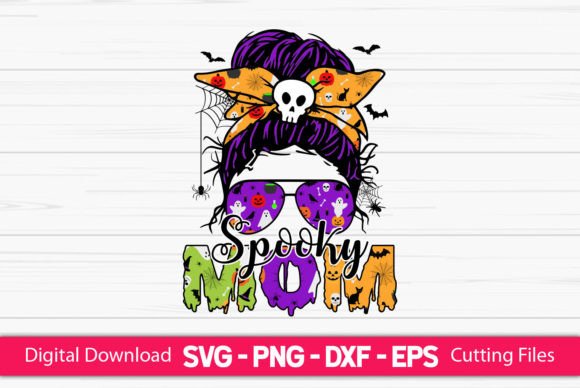
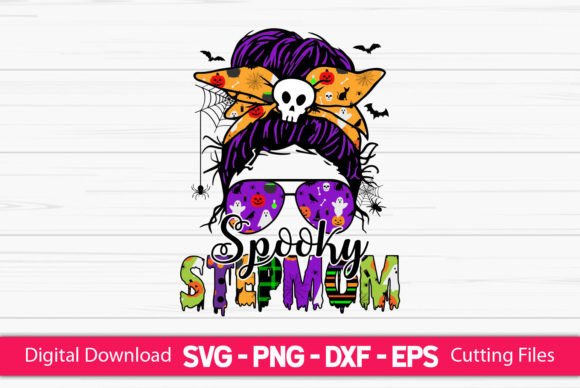
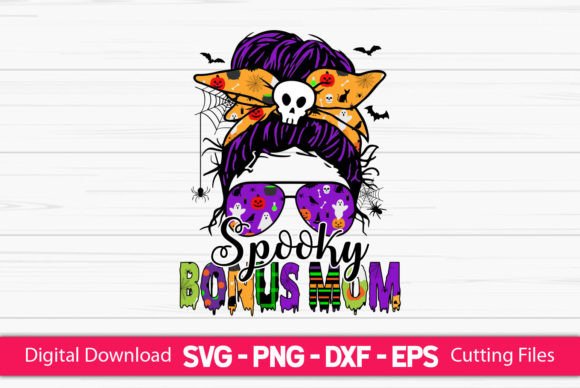
The Spooky Bonus Mom Messy Bun captures a very specific aesthetic that resonates with modern parents and Halloween enthusiasts. The visual mood is playful yet slightly edgy, combining the relatable "messy bun" trope with spooky seasonal elements. From a design perspective, the layout feels balanced. The typography interacts well with the illustrative elements, creating a cohesive badge-like appearance that works beautifully as a centerpiece for custom apparel.
What stands out immediately is the versatility of this graphic. It doesn't feel like a generic clip-art paste; it has a distinct personality that suggests it was created with merchandise in mind. For a handmade product line, this kind of visual character is essential. It signals to the buyer that the item is curated and trendy. Whether you are planning a run of sweatshirt embroidery for a fall collection or creating a unique personalized gift for a friend, the design’s inherent charm does the heavy lifting before you even thread your needle.
Real-World Application: The Sweatshirt Test
To truly evaluate this design, I mentally placed it in a real-life production scenario. Let’s imagine preparing a custom Gildan 18000 sweatshirt for a boutique order. This is a classic use case for the Spooky Bonus Mom Messy Bun. Sweatshirts provide a stable, textured canvas that generally holds embroidery well, but they also present challenges regarding stitch penetration and fabric puckering.
In this scenario, the design serves as an excellent left-chest placement or a full-back statement piece. If used as a chest logo, the detail level needs to be scrutinized. The "messy bun" texture implies organic, flowing lines. In embroidery, these must be digitized with appropriate stitch density to prevent gaps without causing bulletproof stiffness. If the original file is intended for cutting machines (SVG/PNG), and you are converting or using a companion embroidery file, ensure the running stitches defining the hair strands are thick enough to be visible against fleece. A successful embroidery project on sweatshirts relies on the design having enough open space to allow the garment to remain soft and wearable.
For a tote bag design, the application shifts. Canvas tote bags are durable and can handle higher stitch counts. Here, the Spooky Bonus Mom Messy Bun could be scaled up significantly. The bold lines typical of this art style would read clearly from a distance, making it perfect for craft fair products where visibility matters. The contrast between dark thread colors and natural canvas creates a striking, professional look that elevates the perceived value of the finished product.
Navigating Fabric Limitations and Hoop Sizes
While this design is versatile, it demands respect for fabric physics. Not every material is suitable for the Spooky Bonus Mom Messy Bun. I advise extreme caution when attempting this on lightweight knits or stretchy performance fabrics without proper stabilization. The combination of text and illustrative fills can create a dense area that distorts thin material. Always use a high-quality stabilizer; for stretchy fabrics, a cut-away stabilizer is non-negotiable to maintain the integrity of the design after washing.
Hoop size selection is another critical factor. If you are working with a smaller hoop, such as a 4x4 inch field, verify that the intricate details of the messy bun and the accompanying text remain legible when scaled down. Tiny lettering often gets lost or causes thread breaks if reduced too aggressively. Conversely, if you have a large hoop, avoid simply stretching the design to fill the space. Instead, consider adding decorative border elements or coordinating icons to frame the Spooky Bonus Mom Messy Bun naturally. This maintains the correct aspect ratio and prevents the distortion that occurs when vector-based graphics are improperly resized for embroidery.
Textured fabrics like terry cloth or minky require special attention. If you plan to use this for baby embroidery or kitchen towels, you must account for the pile. The fine details of the messy bun might sink into the loops of a towel. In such cases, using a water-soluble topping is essential to keep the stitches sitting on top of the fabric surface, ensuring the applique design or fill areas remain crisp and defined.
Commercial Viability and Brand Consistency
For Etsy sellers and small shop owners, the Spooky Bonus Mom Messy Bun represents more than just a pretty picture; it is a commercial asset. However, professionalism distinguishes a hobbyist from a business. Before listing any item featuring this design, confirm your licensing terms. Ensure you have the right to sell finished commercial embroidery products versus digital files. Customers trust brands that respect intellectual property, and clear licensing protects your business from future disputes.
Visual consistency builds brand recognition. If your shop focuses on modern, minimalist aesthetics, ensure the thread colors chosen for this design align with your existing palette. Neon oranges and purples fit the theme, but muted terracottas and sage greens might better suit a boutique brand identity. Testing the design in black and white mockups before stitching helps evaluate the tonal balance. Does the text stand out against the background? Is the bun distinguishable from the surrounding elements? These checks prevent wasted materials and ensure your printable mockup accurately represents the final embroidered result.
Essential Technical Notes for Makers
Before you commit to a full production run with the Spooky Bonus Mom Messy Bun, adhere to these practical designer guidelines:
- Test Stitch First: Never skip the test sew-out. Use scrap fabric similar to your final project to check registration, tension, and density.
- Verify File Compatibility: Since the product description highlights SVG, PNG, DXF, and EPS formats for cutting machines, ensure you have the correct digital embroidery file format (like PES, DST, or JEF) for your specific machine. Do not assume a cutting file works directly for embroidery.
- Check Stitch Types: Inspect whether the design utilizes satin stitch for borders or fill stitch for solid areas. Satin stitches wider than 7mm may require splitting or additional anchoring to prevent snagging.
- Thread Color Contrast: Evaluate your thread choices against the fabric color. Low contrast can make the messy bun details disappear, while high contrast highlights every stitch imperfection.
- Wash Testing: If selling holiday embroidery or apparel intended for frequent wear, wash your test sample. This reveals whether the stabilizer was adequate and if the design shrinks or distorts.
- Mockup Accuracy: When creating listings, use realistic textures in your design assets. Avoid flat, digital-only previews that mislead customers about the tactile nature of embroidery.
The Spooky Bonus Mom Messy Bun is a fantastic addition to any crafter's library, offering immense potential for holiday gifts, custom apparel, and seasonal merchandise. By approaching it with technical diligence and creative intention, you transform a simple digital download into a high-value, professional-grade product that customers will love to wear and display. Remember, great embroidery is 50% design and 50% execution; take the time to get both right, and your results will speak for themselves.