All American Bonus Mom Messy Bun: A Designer’s Review
As a professional embroidery digitizer and product reviewer, I approach every new graphic with a specific question: will this actually stitch out well on real fabric? When evaluating the All American Bonus Mom Messy Bun design, my focus shifts immediately from the screen to the hoop. This graphic carries a distinct cultural weight in the crafting community, blending patriotic sentiment with the relatable, modern "bonus mom" identity. However, translating a digital vector file intended for cutting machines into a successful machine embroidery design requires careful consideration of line weight, detail retention, and fabric compatibility.
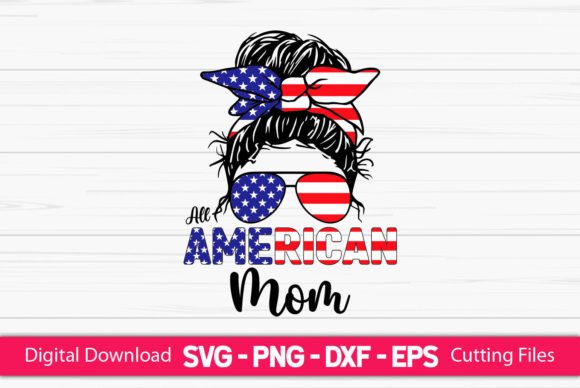
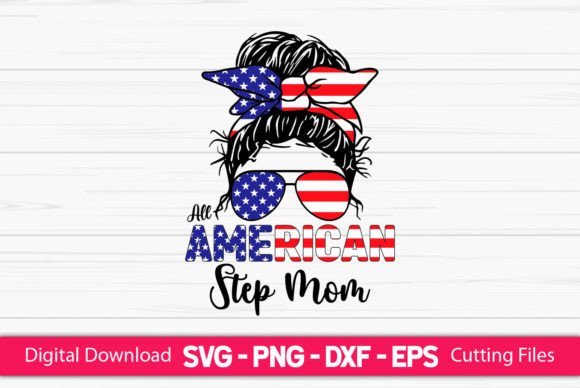
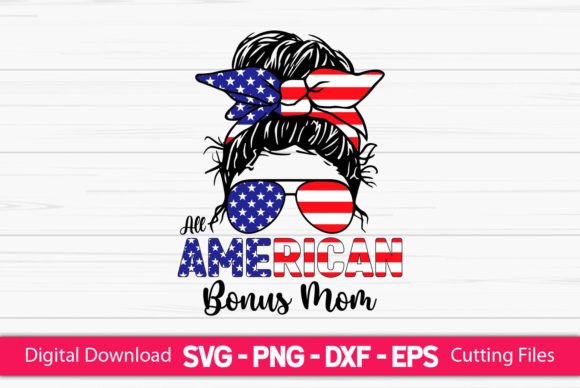
My first impression of this artwork is that it possesses excellent visual hierarchy. The messy bun silhouette provides a solid anchor, while the patriotic elements add seasonal or thematic relevance without overwhelming the composition. For an Etsy seller or small shop product creator, this balance is crucial. It reads clearly as a lifestyle graphic rather than a generic clip-art image. The mood is casual yet celebratory, making it ideal for custom apparel that honors stepmothers during Fourth of July celebrations, Memorial Day events, or family reunions. Visually, it promises a handmade product that feels personal and current, avoiding the stiff formality of traditional patriotic crests.
Translating Vector Graphics to Stitched Reality
The product description identifies this as an SVG, PNG, DXF, and EPS file optimized for Cricut and Silhouette. As an embroidery professional, I must emphasize that these are vector formats, not native embroidery file types like DST or PES. This distinction matters immensely for your production workflow. If you are digitizing this yourself, the clean vector lines of the All American Bonus Mom Messy Bun are a dream to trace. The paths are likely continuous, which allows for efficient running stitch outlines and smooth satin stitch borders.
However, if you are purchasing this expecting a ready-to-stitch digital embroidery file, please verify the listing details before buying. You may need to auto-digitize or manually recreate the design using software. From a design integrity standpoint, the "messy" aspect of the bun presents a unique challenge. In vinyl cutting, jagged edges are crisp; in embroidery, they can become pull-prone areas. When digitizing, I would recommend slightly smoothing the interior texture of the hair to prevent excessive needle penetrations while maintaining the visual illusion of volume through strategic fill stitch direction changes. This ensures the finished product looks intentional rather than chaotic.
Real-World Application: The Custom Sweatshirt Test
To truly judge this design, I mentally place it on a heather grey cotton-blend sweatshirt, a staple for craft business inventories targeting moms. In this scenario, the All American Bonus Mom Messy Bun serves as a center-chest placement. The contrast between the patriotic red, white, and blue thread colors against the neutral fabric creates immediate pop. For a sweatshirt embroidery project, the design size should ideally sit between 4x4 and 5x7 inches to maintain legibility without distorting the garment's drape.
I also envision this as a tote bag design for summer travel. Canvas tote bags offer a stable foundation, but the coarse fabric texture can swallow fine details. If stitching on canvas, I would increase the stitch density slightly and perhaps add a topping stabilizer to keep the satin stitches defining the bun and flag elements from sinking into the weave. This practical adjustment ensures the personalized gift retains its professional polish even after repeated use. For baby embroidery applications, such as a bib or onesie for a bonus mom’s youngest charge, the design would need significant simplification. Tiny lettering often gets lost in small hoops, so removing text and keeping only the iconic bun and flag motif would yield better results on infant garments.
Navigating Fabric Challenges and Hoop Limitations
While versatile, this design demands respect for material limitations. On stretchy knits, the combination of dense fill areas in the bun and potential satin borders can cause puckering if the stabilizer choice is inadequate. I always advise testing on scrap fabric first. Use a cut-away stabilizer for performance wear or sweatshirts to support the stitch structure permanently. For lighter fabrics like tea towels or pillow covers, a tear-away might suffice, but monitor the registration marks closely.
Be cautious with dark fabrics. If the original graphic relies on white space or light-colored internal details, those elements may disappear on navy or black apparel unless you adjust thread colors or add an underlay base. Additionally, consider the hoop size constraints. The horizontal spread of a messy bun combined with text can exceed standard 4x4 hoop dimensions. Always measure the actual stitch field in your software before committing to a production run. Attempting to shrink a complex design below 3 inches often results in thread breaks and illegible text, diminishing the value of your commercial embroidery output.
Commercial Viability and Brand Consistency
For creative entrepreneurs and apparel decorators, the All American Bonus Mom Messy Bun offers strong niche appeal. Niche specificity drives sales on platforms like Etsy. However, professionalism separates hobbyists from sustainable businesses. Before listing items featuring this design, confirm your licensing rights. Does the purchase include commercial usage for physical products? Can you sell the printable mockup or only the finished stitched good? Clarifying these terms protects your shop from intellectual property disputes.
Visual consistency builds buyer trust. When creating product photos, ensure the embroidery matches the digital preview shown in your listing. If the design assets include multiple variations, test each one. A design that looks perfect in a digital product preview might have spacing issues when rendered in thread. High-quality photography of the actual embroidered patch or garment, rather than just digital renders, significantly increases conversion rates. Customers want to see how the satin stitch sheen interacts with light and how the design scales on a real person. This transparency reduces returns and establishes your brand as a reliable source for quality holiday embroidery and family-centric merchandise.
Essential Pre-Production Checklist for Makers
Before you load the hoop, run through this practical evaluation checklist to ensure success with the All American Bonus Mom Messy Bun:
- Verify File Type: Confirm whether you received a cut file requiring digitization or a pre-digitized embroidery file.
- Check Licensing: Ensure commercial rights cover your intended use, whether selling finished goods or using it for boutique branding.
- Test Stitch Out: Never skip the sample run. Check for registration errors, especially where the bun meets the patriotic accents.
- Evaluate Text Legibility: If the design includes script font, ensure letters are at least 6mm tall to prevent thread shredding.
- Assess Stabilizer Needs: Match your backing to the fabric weight and stitch count to prevent distortion.
- Review Color Contrast: Test on both light and dark backgrounds to ensure all design elements remain visible.
- Confirm Hoop Compatibility: Measure the design dimensions against your machine’s maximum stitch area.
By treating the All American Bonus Mom Messy Bun as a technical project rather than just a cute graphic, you elevate the quality of your output. Whether you are creating a heartfelt personalized gift for a client or stocking your shop with seasonal custom apparel, thoughtful preparation ensures the final stitch-out honors both the sentiment of the design and the standards of your craft. Remember, in the world of Crafts and Graphics, the difference between a mediocre item and a bestseller often lies in these unseen technical decisions.