All American Step Mom Messy Bun: A Designer’s Review
When evaluating digital assets for a craft business or personal studio, the transition from screen to stitch is where the real test begins. As a designer who regularly reviews machine embroidery design files and vector graphics, I approach the All American Step Mom Messy Bun with a critical eye toward production viability. While this product is listed as a digital file for cutting machines like Cricut and Silhouette, its aesthetic makes it a prime candidate for mixed-media projects and digitization inspiration. For Etsy sellers, apparel decorators, and makers focusing on family-centric niches, understanding how this graphic translates to physical products is essential for maintaining quality and customer trust.
Visual Personality and Market Fit
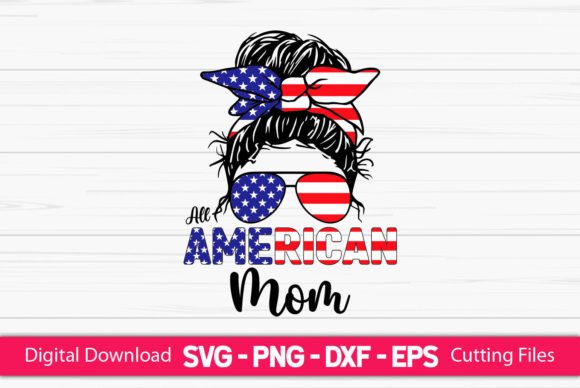
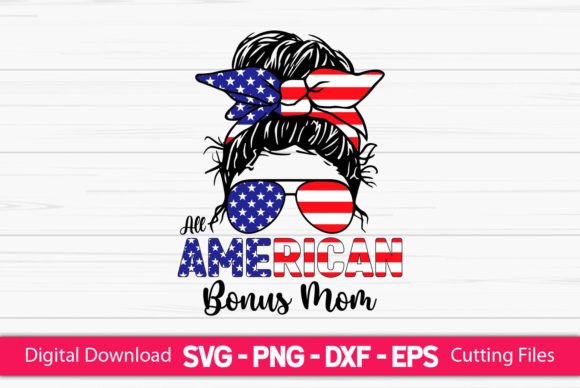
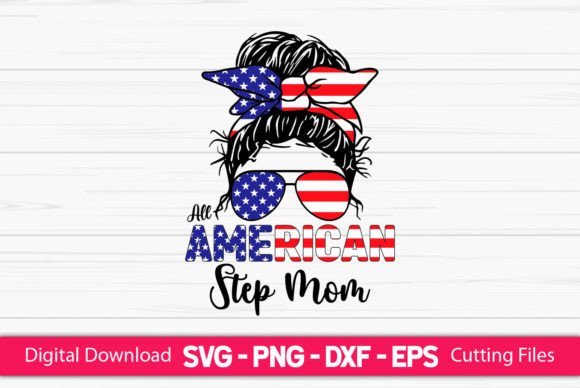
The first impression of the All American Step Mom Messy Bun is one of relaxed, patriotic warmth. The "messy bun" silhouette has become a staple in modern Graphics for the crafting community because it signals approachability and relatability. When combined with the "All American" theme, the design targets a specific emotional niche: the proud, hardworking stepmother celebrating her role during summer holidays or everyday life. Visually, the layout typically balances organic curves (the hair) with structured elements (stars, stripes, or text), creating a composition that feels dynamic rather than stiff.
For an Etsy seller or boutique owner, this mood is highly marketable. It moves away from formal, rigid typography and embraces a lifestyle aesthetic that resonates with buyers looking for personalized gifts. However, as a reviewer, I look beyond the cute factor. The success of this design in a commercial setting depends entirely on line weight and negative space. If the lines are too thin, they will disappear on textured fabrics. If the details are too dense, they risk becoming a muddy blob when converted into an embroidery project. This graphic strikes a generally good balance, but it demands intentional material selection to shine.
Real-World Application: The Custom Sweatshirt Test
To truly evaluate this asset, let’s apply it to a real-life scenario: producing a custom crewneck sweatshirt for a client’s family reunion or a shop’s Fourth of July collection. Sweatshirts are a cornerstone of custom apparel, but fleece presents unique challenges due to its pile and stretch.
In this context, the All American Step Mom Messy Bun serves as an excellent centerpiece for a chest print or back design. If you are using this as a cut file for HTV or sublimation, the design’s bold shapes should weed easily, provided the vector points are clean. However, if you are using this graphic as a base to create a machine embroidery design, you must consider stitch density. Fleece swallows detail. A running stitch outline that looks crisp on a cotton tote bag might get lost in sweatshirt fuzz. For this application, I would recommend adapting the messy bun into an applique design. Using fabric pieces for the main shapes reduces stitch count, prevents puckering on stretchy knits, and adds a tactile, high-end feel that justifies a higher price point for your handmade product.
Furthermore, consider the placement. On a sweatshirt, this design works best centered 3-4 inches below the collar seam. Placing it too low creates a droopy visual effect, while placing it too high risks distortion near the neck ribbing. Testing the scale on a similar garment before committing to a full production run is non-negotiable for professional results.
Navigating Fabric Limitations and Hoop Constraints
Not every surface is friendly to detailed graphics. While the All American Step Mom Messy Bun is versatile, there are environments where caution is required. Small hoop sizes, such as 4x4 inch frames, can be restrictive. If the design includes intricate stars or small script text alongside the bun, scaling it down to fit a baby onesie or cap may render those elements illegible. In these cases, simplification is key. Remove secondary accents and focus solely on the primary silhouette to maintain clarity.
Textured fabrics like terry cloth towels or waffle-weave blankets also pose risks. The irregular surface can break up fine lines. If you intend to use this design for kitchen towels or nursery decor, opt for bolder interpretations. Conversely, on thin, lightweight fabrics like rayon or performance tees, heavy fill areas can cause dragging or holes. Always pair the design with appropriate stabilizer; a tear-away might suffice for stable cottons, but a cut-away is mandatory for the stretchy knits often associated with "mom life" apparel.
Dark fabrics present another variable. If the original file relies on fine internal lines for definition, those details will vanish on navy or black garments unless you use contrasting thread colors or metallic accents. Always test the design in a black-and-white mockup to ensure the contrast holds up without relying solely on color differentiation.
Professional Standards for Commercial Sellers
For creative entrepreneurs selling finished goods or digital assets, professionalism hinges on consistency and legal compliance. Before listing any product featuring the All American Step Mom Messy Bun, verify the licensing terms included in your purchase. Just because a file is available as an SVG or PNG does not automatically grant unlimited commercial rights for mass production or digital redistribution. Respecting intellectual property protects your shop from takedowns and builds long-term brand integrity.
Quality control extends to presentation. When creating printable mockups for your listings, ensure the design is shown on realistic garments that match your actual output. Misleading customers with flat, digital-only previews when the final product has texture or dimension leads to returns and negative reviews. Show the design stitched out or pressed on real fabric so buyers understand exactly what they are receiving. This transparency increases buyer engagement and establishes your reputation as a trustworthy maker.
Essential Pre-Production Checklist
Before you load the hoop or fire up the cutter, run through this practical checklist to ensure the All American Step Mom Messy Bun performs as expected:
- Verify File Integrity: Open the SVG/PNG/DXF/EPS files in your native software to check for stray nodes, open paths, or overlapping layers that could cause cutting errors or digitizing headaches.
- Test Stitch-Out: Never skip the test sew. Use scrap fabric identical to your final project to evaluate tension, registration, and detail clarity.
- Check Thread Contrast: Ensure your chosen thread colors provide sufficient contrast against the base fabric, especially for patriotic themes where red and white can sometimes bleed visually.
- Assess Stabilizer Needs: Match your backing to the fabric weight and design density. Incorrect stabilization is the number one cause of poor embroidery results.
- Review Licensing: Confirm whether your license covers the specific end-use, whether it be physical sales, digital downloads, or commercial embroidery services.
- Scale Appropriately: Respect the minimum legible size for any text elements within the design. If it cannot be read at the intended size, edit it out.
Final Thoughts on Design Versatility
The All American Step Mom Messy Bun represents a strong intersection of trend and sentiment. For the experienced crafter, it offers a reliable foundation for holiday embroidery, summer apparel, and personalized family gifts. Its success, however, lies not in the file itself but in the maker's ability to adapt it to the physical realities of thread, fabric, and wear. By approaching this graphic with technical mindfulness and respecting the nuances of production, you transform a simple digital download into a high-value finished product that customers will cherish. Whether you are building a seasonal collection or fulfilling a custom order, let practical judgment guide your creativity to ensure every stitch and cut reflects the quality your brand stands for.