One Lucky Step Mom Messy Bun: A Designer’s Review
As a professional embroidery designer and product reviewer, I approach every new digital asset with a critical eye. When evaluating the One Lucky Step Mom Messy Bun design, my primary concern is not just how it looks on a screen, but how it translates into thread on fabric. This St. Patrick’s Day graphic carries a specific cultural weight and aesthetic that appeals to a niche but passionate demographic. For craft business owners, Etsy sellers, and apparel decorators, understanding the practical application of this machine embroidery design is essential before committing it to production or listing it as a finished product.
First Impressions and Visual Personality
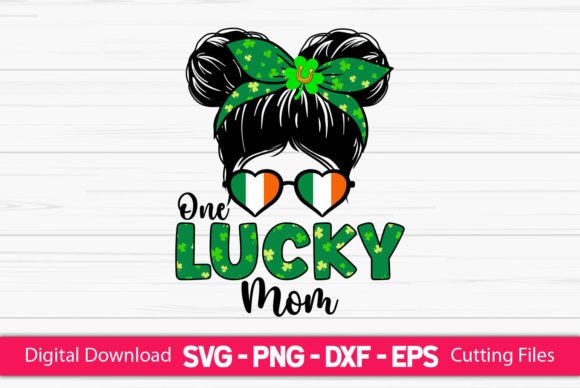
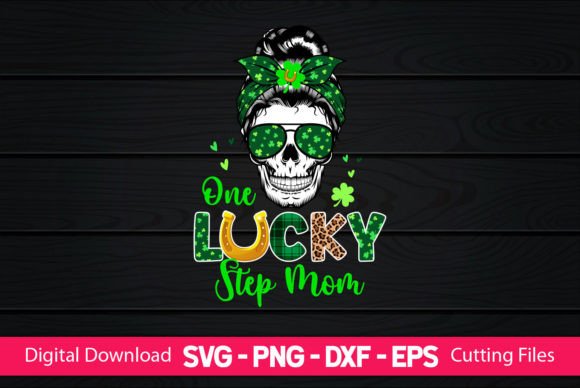
Upon opening the file, the immediate impression of One Lucky Step Mom Messy Bun is one of playful relatability. The "messy bun" silhouette has become a staple in modern crafting graphics, symbolizing casual motherhood and effortless style. When combined with the "One Lucky Step Mom" text and St. Patrick’s Day motifs, the design creates a mood that is celebratory yet grounded. It avoids being overly juvenile, which makes it suitable for adult apparel and accessories rather than just children's items.
From a design hierarchy perspective, the layout appears balanced for standard hoop sizes. The typography likely interacts well with the graphical elements, suggesting that the digitizer considered stitch flow. However, as with any digital embroidery file intended for cutting machines like Cricut or Silhouette, we must verify its integrity when converted for needle and thread. The visual personality suggests this belongs on relaxed, comfortable garments rather than formal wear. It screams "weekend brunch," "school pickup line," or "St. Paddy’s parade," and your substrate choice should reflect that casual energy.
Real-World Application: The Custom Sweatshirt Test
To truly evaluate this asset, I mentally placed it in a real-life production scenario: creating a custom embroidered sweatshirt for a blended family reunion or a step-mom appreciation gift. Sweatshirts are a high-value item for handmade shops, but they present specific challenges due to fleece texture and stretch.
In this scenario, One Lucky Step Mom Messy Bun serves as an excellent left-chest placement or a centered back design. If using this as an applique design, the messy bun shape offers a fantastic opportunity to introduce fabric texture—perhaps a green plaid or shamrock print within the bun itself. This adds perceived value to the finished product without increasing stitch count excessively. For a direct embroidery approach, the design needs to hold its own against the nap of the fleece. I would recommend testing this specifically on a heather grey or cream sweatshirt first. The contrast between the thread colors and the fabric texture is where this design will either pop beautifully or get lost. If you are running a commercial embroidery business, this specific use case highlights the importance of having a solid mockup strategy before stitching.
Navigating Fabric Constraints and Hoop Sizes
While the design is versatile, there are environments where One Lucky Step Mom Messy Bun requires careful handling. Not all fabrics are created equal, and this graphic has potential failure points if misapplied.
- Stretchy Knits: If applying this to a lightweight t-shirt or baby onesie, the stitch density becomes critical. Heavy fill stitches can cause puckering or distortion on thin jersey knits. Always use appropriate stabilizer, such as cut-away mesh, to support the design structure.
- Textured Surfaces: On terry cloth towels or boucle fabrics, fine details in the messy bun or small lettering may sink into the pile. Consider using a water-soluble topping to keep the stitches visible and crisp.
- Curved Items: While this design works wonderfully flat, be cautious when hooping caps. Unless the design is specifically digitized for curved surfaces, the alignment of the text relative to the bun may distort on a hat frame.
- Small Hoop Limitations: If resizing down for a 4x4 hoop, inspect the smallest text elements. Serif fonts or intricate script often lose legibility below certain thresholds. Running stitch outlines may need to be converted to satin stitch columns if scaling down significantly.
Impact on Product Value and Customer Trust
For Etsy sellers and small shop owners, the quality of your embroidery directly correlates to customer trust and repeat business. One Lucky Step Mom Messy Bun has strong giftability factor, particularly around March. However, a poorly executed stitch-out can devalue the entire brand experience.
When this design is stitched correctly, with clean registration and appropriate tension, it elevates the perceived professionalism of the item. Buyers looking for personalized gifts for stepmothers are often emotionally invested; they want something that feels thoughtful and high-quality. A clean, vibrant execution of this design signals that you understand your craft. Conversely, skipped stitches, poor color contrast, or distorted shapes suggest mass production or lack of care. Using this design effectively means treating it as a premium asset. Ensure your thread colors match the festive St. Patrick’s Day theme without looking cheap. Variegated greens or metallic gold accents can transform a standard graphic into a boutique-level embroidered patch or apparel detail.
Essential Technical Notes for Makers
Before you load One Lucky Step Mom Messy Bun into your machine or list it in your shop, adhere to these professional best practices. These steps separate hobbyists from sustainable businesses.
- Verify Licensing: The product description mentions files for cutting machines. Confirm explicitly whether the license covers commercial embroidery of finished products versus digital resale. Never assume rights transfer across mediums.
- Test Stitch-Outs Are Mandatory: Do not stitch this directly onto a client’s garment first. Use scrap fabric of similar weight and weave. Check for registration issues between the text and the bun graphic.
- Check Format Compatibility: Since the source includes SVG, PNG, DXF, and EPS, ensure you are converting or digitizing correctly for your specific embroidery machine. Vector files do not automatically equal embroidery files; proper digitizing software is required to assign stitch types.
- Evaluate Color Contrast: Test the design in black and white mockups to ensure readability relies on value, not just hue. This ensures visibility on both light and dark fabrics.
- Stabilizer Selection: Match your backing to the fabric, not just the design. A dense version of this messy bun might require two layers of medium-weight cutaway on a tote bag, while a tea towel might only need tear-away.
Final Thoughts for Creative Entrepreneurs
One Lucky Step Mom Messy Bun represents more than just a seasonal graphic; it is a test of your ability to adapt digital assets for tangible, lasting products. Whether you are creating a custom apparel line for a local event, designing nursery decor, or building a catalog of holiday embroidery projects, success lies in the details. By respecting the technical limitations of thread and fabric, and by leveraging the emotional resonance of the design, you can turn this digital file into a profitable, professional addition to your creative business. Always prioritize the integrity of the finished product over speed, and let your craftsmanship speak through every stitch of this charming, celebratory design.