All American Twin Mom Messy Bun Design Review
As a professional embroidery digitizer and product reviewer, I approach every new graphic with a specific question: will this actually stitch out well on real fabric? When evaluating the All American Twin Mom Messy Bun design, my assessment goes far beyond the screen. While this asset is marketed as an SVG, PNG, DXF, and EPS digital file for cutting machines like Cricut and Silhouette, its aesthetic has significant crossover potential for mixed-media creators and those looking to adapt graphics for textile arts. For the embroidery designer or apparel decorator, understanding how this visual translates from a vector graphic to a tangible handmade product is critical for maintaining quality and customer satisfaction.
First Impressions and Visual Personality
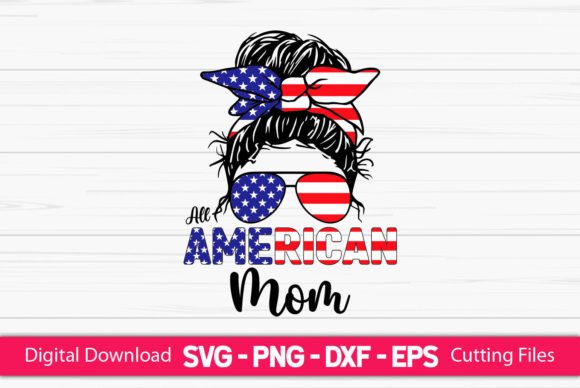
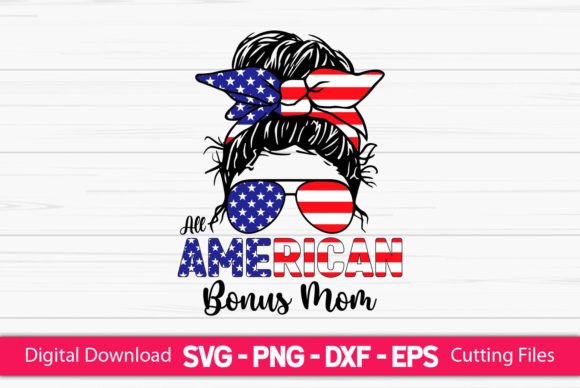
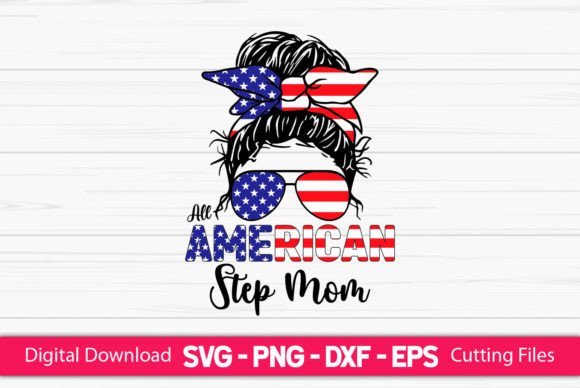
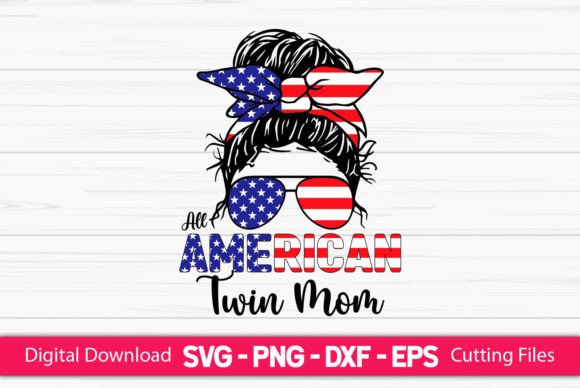
The All American Twin Mom Messy Bun carries a distinct mood that resonates immediately with a specific demographic. It balances patriotic sentiment with the relatable, chaotic charm of modern motherhood. Visually, the messy bun silhouette suggests movement and informality, which prevents the "All American" theme from feeling stiff or overly traditional. For an Etsy seller or small shop owner, this design signals niche relevance. It is not just a flag; it is a lifestyle identifier.
From a design structure perspective, the layout appears compact yet detailed. The interplay between the hair texture and any accompanying typography or patriotic elements creates natural focal points. However, as a reviewer, I note that designs intended for cutting machines often feature intricate interior cutouts or thin connecting lines that can be problematic in needlework. If you are adapting this graphic for a machine embroidery design, you must evaluate whether the original vectors can support satin stitch borders or if they require conversion to fill stitch areas to prevent fabric distortion.
Real-World Application: The Custom Sweatshirt Test
To truly judge the viability of All American Twin Mom Messy Bun, I mentally placed it in a real-life production scenario: creating a custom embroidered sweatshirt for a boutique holiday collection. Sweatshirts are a staple for craft businesses, but the fleece backing and stretchy knit present unique challenges.
In this scenario, the design serves as a centerpiece for personalized gifts or ready-to-wear merchandise. The "messy bun" motif works exceptionally well on crewneck sweatshirts because it mirrors the casual nature of the garment itself. However, because this is originally a digital file for cutting machines, an embroiderer must verify the stitch density before running a production batch. If the design is too dense, it will create a bulletproof patch effect on soft fleece, causing the garment to drape poorly. Conversely, if adapted too loosely, the details of the bun or patriotic accents may get lost in the fabric texture.
For this specific project, I would recommend testing the design on a scrap of similar weight fleece using a cut-away stabilizer. This ensures the registration holds true and that the thread colors pop against the fabric without puckering. If the goal is a mixed-media piece, this graphic is perfect for heat transfer vinyl (HTV) appliqués combined with embroidered text, leveraging the best attributes of both Crafts and Graphics categories.
Navigating Fabric Limitations and Hoop Constraints
Not every substrate is friendly to the All American Twin Mom Messy Bun aesthetic. Based on the visual complexity typical of this style, there are specific environments where caution is required.
- Textured Fabrics: On terry cloth towels or heavy canvas tote bags, fine details in the messy bun or small patriotic stars may disappear. You may need to simplify the design or increase the column width of satin stitches to ensure visibility.
- Stretchy Performance Wear: If applying this to moisture-wicking athletic gear for active moms, standard stabilizers may fail. The design needs to be light enough to move with the fabric, or it will cause tunneling.
- Curved Surfaces: Placing this design on a cap requires careful re-digitizing. The horizontal spread of a messy bun graphic often exceeds the usable area of a standard cap frame. Always confirm your hoop size compatibility before purchasing or stitching.
- Dark Fabrics: While the digital file looks crisp on a white background, dark navy or red fabrics require high contrast thread colors. Test black and white mockups first to ensure the design’s internal details remain legible without relying solely on color differentiation.
Impact on Product Value and Brand Perception
Using All American Twin Mom Messy Bun effectively can significantly elevate the perceived value of your finished product. For creative entrepreneurs, consistency in design quality builds buyer trust. A clean, professional stitch-out tells the customer that you understand your materials. When a mom buys a personalized gift featuring this design, she is buying into an identity. If the embroidery is sloppy, or the vinyl peels because the file wasn't optimized for the medium, that emotional connection breaks.
Furthermore, this design offers versatility for commercial embroidery projects. It transitions easily from a Fourth of July promotional item to a year-round "mom life" accessory. This longevity increases the return on investment for your design assets. For digital product sellers offering printable mockups or sublimation transfers, ensuring the source file is high-resolution and properly layered is non-negotiable. Customers expect professional-grade assets that yield professional-grade results.
Essential Technical Notes for Makers
Before adding All American Twin Mom Messy Bun to your next embroidery project or product listing, adhere to these practical guidelines derived from professional review standards:
- Verify File Suitability: Remember that the provided files (SVG, PNG, DXF, EPS) are native to cutting machines. They are not pre-digitized embroidery files (like PES, DST, or JEF). Do not attempt to auto-digitize complex vectors without manual cleanup. Auto-digitizing often results in excessive jump stitches and poor pathing.
- Test Stitch Density: Always run a test stitch on the exact fabric you intend to use. Adjust the underlay and top stitch density based on the fabric's stability. Fleece requires different parameters than cotton quilting fabric.
- Check Licensing Terms: Before selling finished items or digital derivatives, confirm the specific license included with your purchase. Some designers allow commercial use for physical products but prohibit reselling the digital file or using it in mass production.
- Evaluate Small Details: Inspect the design at actual print/stitch size. Elements that look fine on a 24-inch monitor may be impossible to render with a needle. Simplify tiny text or micro-details into running stitches or remove them entirely to maintain clarity.
- Mockup Realistically: When creating listings for Etsy or your own site, use realistic mockups that show the design on textured fabric rather than flat digital overlays. This manages customer expectations regarding how the All American Twin Mom Messy Bun actually appears on a handmade product.
Ultimately, All American Twin Mom Messy Bun is a strong contender for the niche apparel and gift market, provided it is treated with technical respect. Whether you are using it for vinyl cuts on a tote bag design or adapting it for a complex sweatshirt embroidery piece, success lies in understanding the translation from screen to substrate. By prioritizing fabric compatibility, proper stabilization, and honest testing, you transform a simple digital graphic into a premium, sellable asset that celebrates both patriotism and parenthood with craftsmanship.